
Acculturation Program
Asia Pacific College conducts acculturation programs for international undergraduate and graduate students. These programs are designed to ease their transition into university life in the Philippines.
For undergraduate students, the program is spread during the first trimester of their first year of study. Activities include lessons on Philippine history and culture, a campus tour, and an English practice program.
For graduate students, the program is available during the summer break of July and August. The graduate acculturation program includes a cultural and historical tour, a professional seminar on emerging technology trends, and a campus tour.
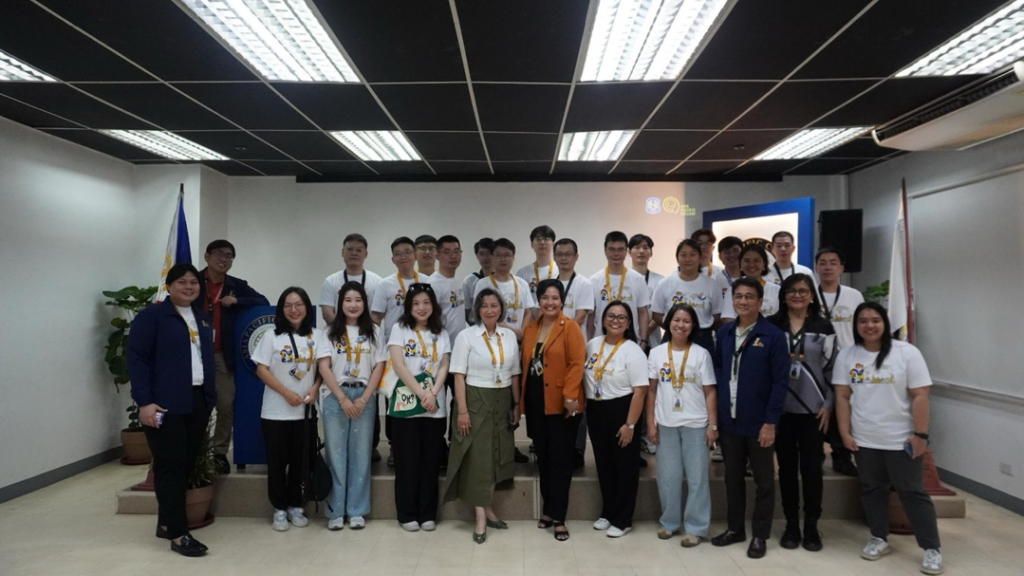
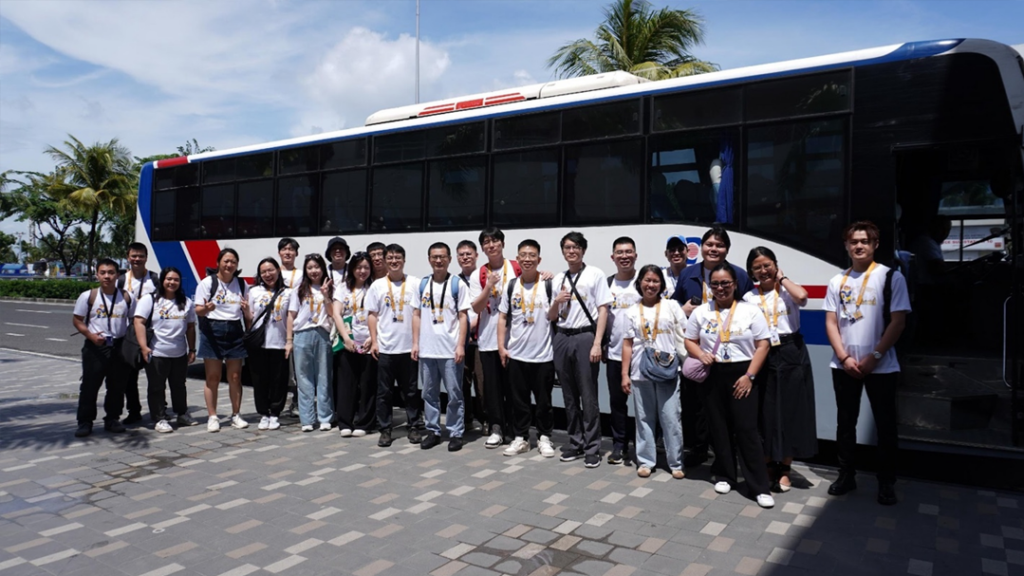
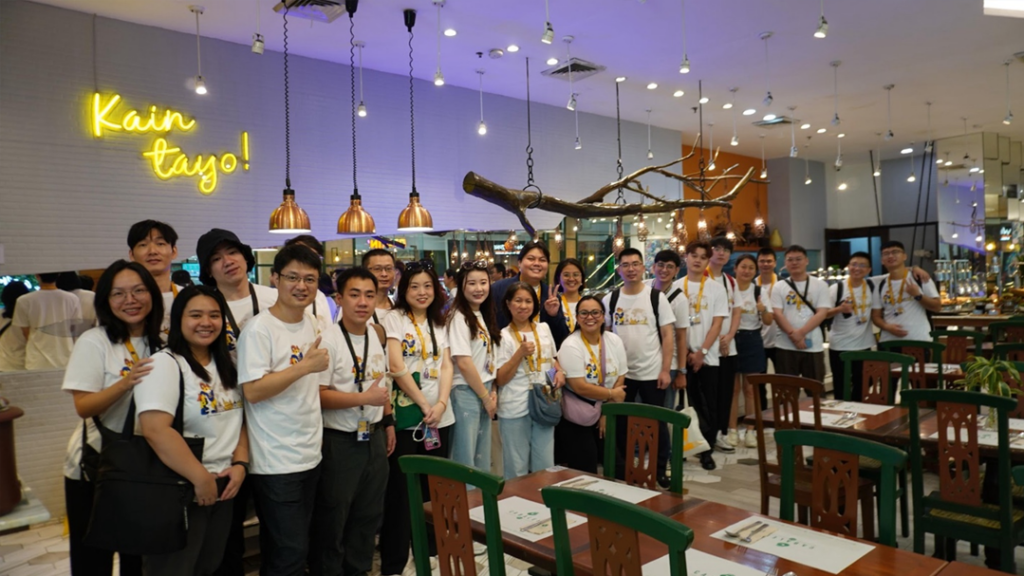
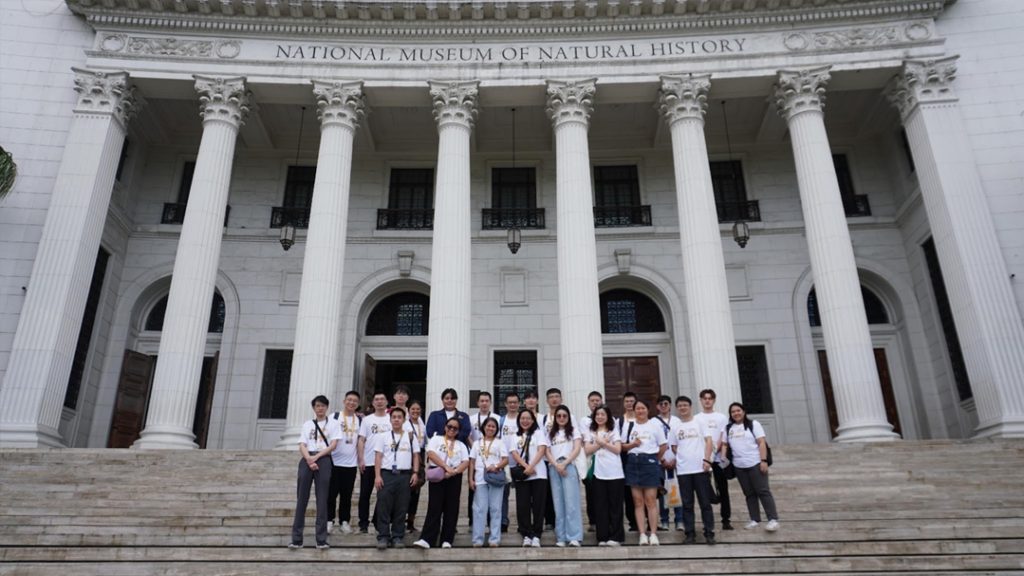
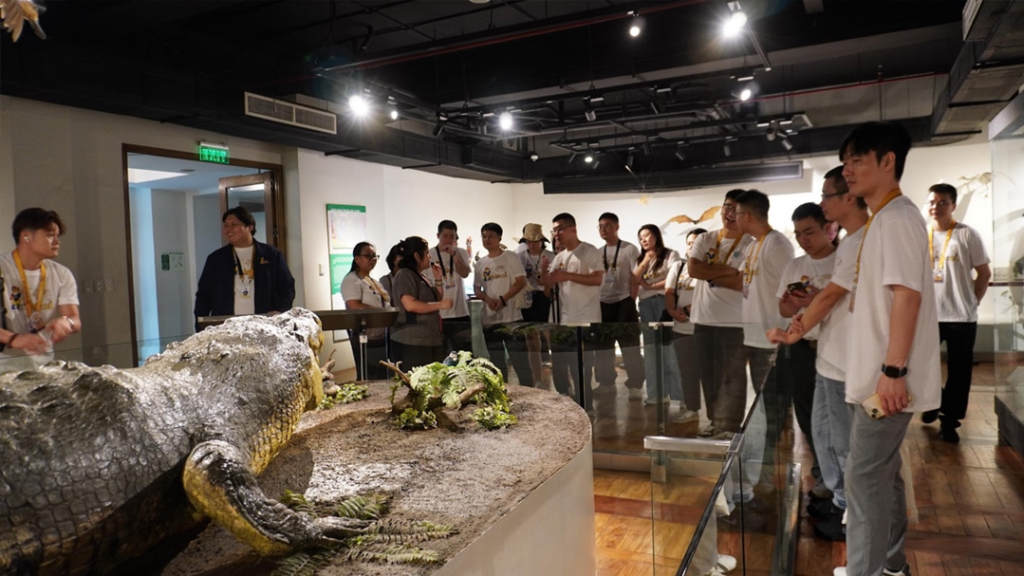
The most recent acculturation program was run on July 8, 2025, which hosted 31 international attendees. This day-long event featured a morning program at APC, a traditional Filipino lunch at a Filipino restaurant, and a historical guided tour of the National Museum. Together, these immersive events successfully combine academic onboarding with rich cultural discovery to foster early peer bonding.
Internationalization and Transnational Higher Education in the Philippines
The Philippine higher education landscape is increasingly shaped by a national commitment to global engagement. The Commission on Higher Education (CHED) envisions internationalization as a means to enhance academic quality, develop globally competitive graduates, and foster innovation through collaboration with higher education institutions (HEIs) worldwide. This strategic direction seeks to position the Philippines as a hub for transnational higher education in Asia: one that produces skilled, adaptable, and globally aware professionals contributing to the country’s sustainable development.
Republic Act No. 11448: Transnational Higher Education Act (2019)
Republic Act No. 11448 institutionalizes the framework for Transnational Higher Education (TNE) in the Philippines, enabling foreign and local higher education institutions to collaborate through joint degrees, twinning arrangements, and other cross-border academic partnerships. The law aims to make quality international education accessible to Filipinos within the country, while ensuring that foreign programs align with national development priorities and academic standards. By creating a clear regulatory environment for TNE, RA 11448 supports academic mobility, capacity building, and the global competitiveness of Philippine higher education.
CHED Memorandum Order (CMO) No. 55, s. 2016: Policy Framework and Strategies on the Internationalization of Philippine Higher Education
CMO 55 articulates the national framework for internationalization as a key quality assurance mechanism in higher education. It promotes the integration of international,
intercultural, and global dimensions into the teaching, research, and service functions of HEIs. The policy emphasizes partnerships, mobility, benchmarking, and curriculum enhancement as pathways toward a globally competent academic community. Through this CMO, CHED encourages institutions to build sustainable linkages, participate in global networks, and strengthen governance systems that support international engagement.
CHED Memorandum Order (CMO) No. 62, s. 2016: Policies, Standards, and Guidelines on Transnational Education
CMO 62 provides the operational guidelines for the implementation of transnational higher education in the Philippines. It defines the types of TNE arrangements permitted under Philippine law and establishes quality assurance standards to safeguard academic integrity. The policy ensures that foreign education provision in the Philippines complements national goals, promotes mutual recognition of qualifications, and fosters institutional collaboration grounded in academic excellence and shared accountability.
Together, these policies form a coherent national strategy that empowers Philippine higher education institutions to participate meaningfully in the global academic community. They reflect the country’s aspiration to not only send Filipino learners abroad but also bring world-class learning opportunities to the Philippines by bridging global perspectives with local relevance and ensuring that internationalization contributes directly to national growth and competitiveness.